Elevating Cooperation and Participation through Well-Integrated Virtual Presence Technologies in Meeting Spaces
Wiki Article
Telepresence solutions have transformed the way businesses manage sessions and team interactions. Contemporary telepresence systems allow participants to connect effectively across different locations, bridging spatial limitations that previously restricted collaboration. High-quality sound and video technology ensures that meetings are not only understood but also clearly contextualized, which supports staff sustain attention and participation. By integrating these solutions into discussion areas, companies can mimic physical meetings, creating distance cooperation more seamless. Additionally, solutions often provide capabilities such as content sharing, mark-up, and digital boards, which enhance the capability to manage detailed tasks in real time.
The configuration of a meeting space plays a important function in the success of telepresence solutions. Proper lighting, audio design, and chair placement contribute to a more immersive remote session. For instance, evenly distributed lighting reduces visual distortion and enhances visual output, while sound management prevent echoing and interference, enhancing audio quality. user-friendly seats and well-organized layouts allow participants to remain comfortable during prolonged discussions. These design factors, combined with modern telepresence equipment, establish a setting that supports collaborative involvement and continuous attention.
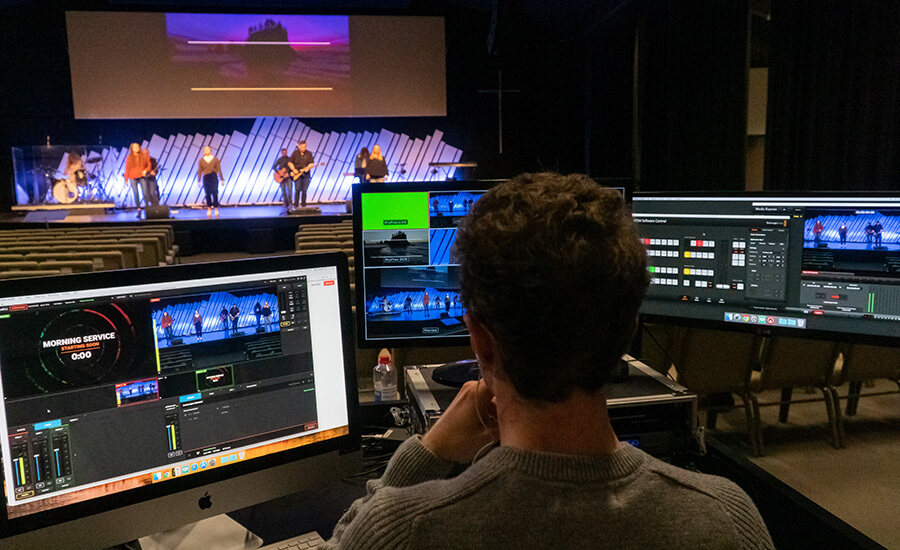
Efficient telepresence platforms depend on easy-to-use features and clear operation. When participants can quickly handle sessions, change presentation modes, or exchange documents without problems, meetings run more smoothly. Support and assistance are also critical, as even the most modern platforms will struggle if users are unsure about their function. Businesses often develop standard operating procedures for virtual sessions, defining best practices for initiating calls, displaying information, and facilitating contributions from all attendees. These guidelines promote active participation and prevent delays during group discussions.
Synchronization with other digital tools enhances visit site virtual systems in discussion areas. For instance, synchronizing systems with project management software, cloud storage, or messaging tools permits groups to retrieve files and update information in real time. Collaborative features like shared digital workspaces, instant surveys, and instant messaging enhance team engagement, guaranteeing that remote and in-person participants contribute equally in discussions. These integrations enhance operational performance, reduce redundancies, and help maintain alignment among team members, regardless of their office.
Ultimately, organizations that implement advanced systems achieve measurable improvements in both teamwork and engagement. Staff report greater contentment, faster decision-making, and stronger deliverables when communication is smooth and participatory. With a combination of advanced technology, strategic room layouts, user-friendly operation, and connected tools, businesses create an setting where participants feel click for more info connected, knowledgeable, and motivated to contribute. Eventually, these improvements result in stronger team cohesion, increased creativity, and a more collaborative environment overall.